
The Land Speaks. Are We Listening?
THERE WILL BE NO PUBLIC HEARINGS

The aromatics of the Pacific Northwest—the scent of Douglas fir, wet earth, and western red cedar—are currently on the chopping block.
TASTE is evolving into a voice for the land that feeds us. Your subscription today directly funds the research and advocacy needed to keep these scents and flavors in all our treasured environments alive.
Why We Care
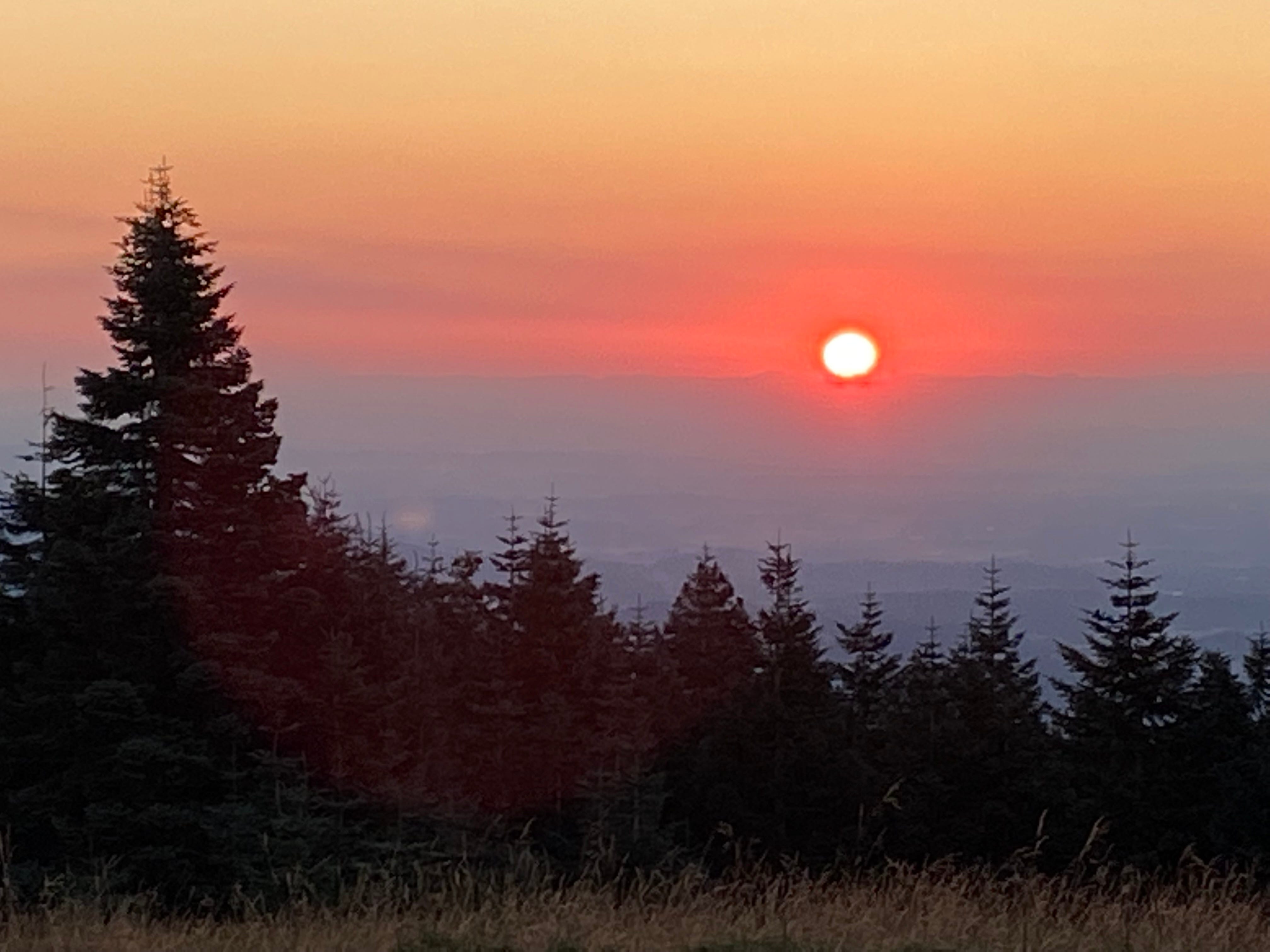
TASTE | Pacific Northwest readers are intellectually curious, a quality that helps us find treasure in the everyday. I suspect TASTE subscribers and followers feel a certain land advocacy, much like membership in a regional food movement. We recognize and support that which enriches our lives most fundamentally: high quality food and land that creates it.
Have you ever noticed that honoring local food production and food history establishes a regional identity? We find our deepest meaning in the land: in food and in lifestyle. In the Pacific Northwest we honor not only topographical beauty but the fertile volcanic ash-based soils of an ancient ocean that are today, Oregon, Washington and Canada.
Fifteen million years ago the seafloor of the Pacific (Oregon) was uplifted by tectonic collision, raising marine sediments into what would become the Coast Range and the Cascades. Magnificent, isn’t it?
Dig a bit into your own region to discover what historical events evolved into the land you honor today. The environmental systems of each region ~ distinct in water quality and availability; acidic/alkaline silty, sandy or clay-based soils; and the presence or lack of valuable soil nutrients ~ dictate the crops specific to that region.
One Step Further
Those of us who find partnership in the land view food as a civic and ecological act. We are stakeholders in our own region’s ecological story.
Growers ~ stewards of the land ~ view us as stakeholders; we reciprocate with not only what is on our table, but in advocating for land protection and wise use. Not a simple task in today’s world, even when legal protections are in place.
This is How We Protect the Land
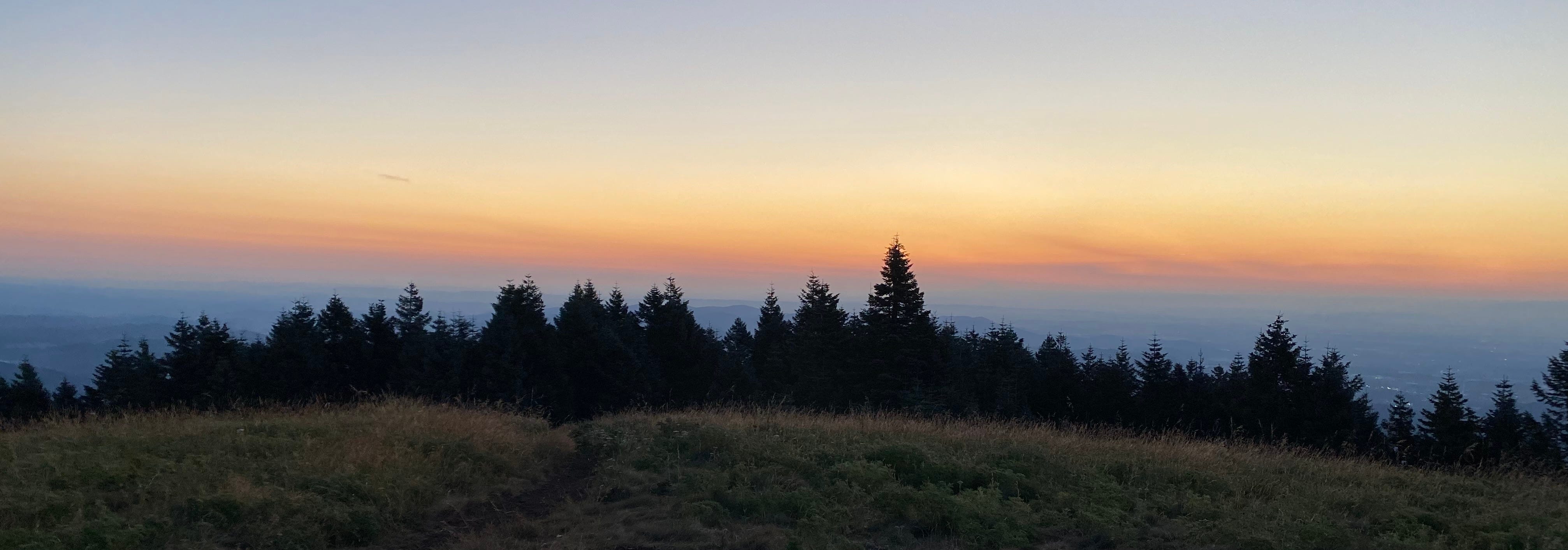
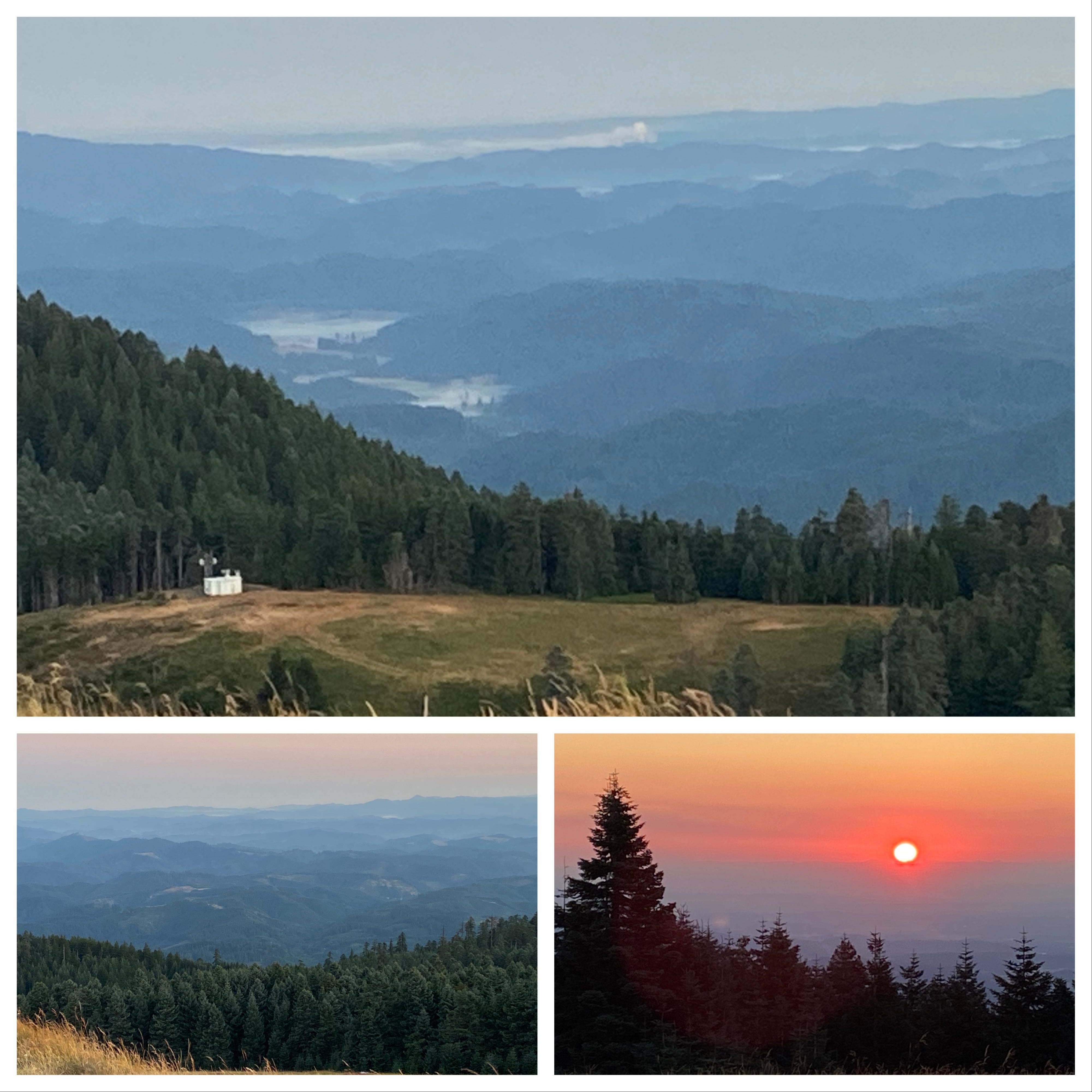
As a non-native Oregonian, I lack some of the outdoor skills and instincts of my friends. Several years ago a group of experienced hiker-friends invited me to descend Mary’s Peak at sunrise. While the Cascades tower around us at more than 14,000 feet in elevation, Mary’s Peak is the highest point in the Coast Range at 4,097 feet. It is located in the Siuslaw National Forest, and offers panoramic views of the Pacific Ocean to the west and the Cascades to the east.
The summit is accessible by driving 9.5 miles up Mary’s Peak. The goal was to spend sunrise at the peak taking in the light, life and vistas of the mountain forests before descending on well trodden paths.
Even inexperienced hikers recognize the ineffable when it’s presented. Deeply quiet and peaceful, yet brimming with life, the changing vistas suffused us. Another way to describe the ineffable is civic resilience.
The ecological advocacy that is foundational to our love of food and environment arises fiercely when public lands ~ protected lands ~ are once again threatened.
One of the major scars Oregonians carry is the memory of decimated old growth forests during the heavy logging decades between 1940 and 1970. Oregon became the nation’s leading producer of wood, with timber harvests ~ old growth Douglas Fir and western cedar ~ increasing from 5.2 billion board feet in 1940 to 9.1 billion board feet in 1955.
Only 4% of the original old growth forests in Oregon and California remain ~ and they’re all protected. These are our lands.
To simply stand in one of these forests is transformational. The breathing slows, the system calms, the body and mind reset. It’s a function of the ancient environment, the deep quiet, the sense of knowing where you’re standing is deeply alive.
A Call to the Front Lines
On February 19, the Bureau of Land Management, the BLM, published a Notice of Intent to gut the management plans governing nearly 2.5 million acres across 18 Oregon counties.
In his February 24 “More Than Just Parks” Substack post, Will Pattiz describes the BLM’s “… stated goal is to accelerate timber harvest to approximately one billion board feet per year. That’s four times current levels. It would match the peak production of the 1960s before the Endangered Species Act existed…”
The administration wants to tear the 2016 agreed-upon regulations up.
THERE WILL BE NO PUBLIC HEARINGS.
Will Pattiz: “The places directly threatened by this proposal have names. The Valley of the Giants. The Sandy River corridor. The North Fork Clackamas. Mary’s Peak. Crabtree Valley. Alsea Falls. The Upper Molalla River.”
These protected forests are the gems of Oregon, the places you don’t want to miss when you travel to the Pacific Northwest.
Read here to find out what the Federal Register actually says.
If You’re an Oregonian
We have three weeks. The scoping comment period ends on March 23, 2026. Will Pattiz:
“Scoping comments shape the alternatives the BLM is required to analyze in its Environmental Impact Statement. If enough people demand that the agency consider alternatives that balance timber production with conservation, habitat protection, clean water, recreation, and climate, they’ll have a much harder time pretending those concerns don’t exist when this ends up in court. And it will end up in court.”
Will:
“Submit a comment. You can do it right now:
Online: ePlanning project page — click “Participate Now”
Email: BLM_OR_Revision_Scoping@blm.gov
Mail: Bureau of Land Management Oregon/Washington State Office, 1220 SW 3rd Avenue, Portland, OR 97204, Attn: Elizabeth Burghard, RMP Revision”
Go here for language to submit that reflects your particular concerns. There are numerous options. Among the options are to name the places you care about… the “forests that have names,” above.
Will requests that we share his piece. The comment period is 30 days and ends on March 23.
“Most people have no idea this is happening. The more people who know, the harder it is to push through quietly.”
It’s Ours to Do
Thank you to our subscribers and followers, with particular gratitude to paid subscribers ~ our TASTE Buds.
TASTE Buds enjoy:
An advocate for your voice in defending the lands we love;
Techniques from food writers and cooks I pay to subscribe to;
Unpublished personal and restaurant recipes; and
Exclusive TASTE Flavor Lab recipe development techniques from professional kitchens.
As the BLM moves to gut protections for 2.5 million acres of our protected forests, we have the collective power to stop it.